Key Takeaways
- Modern home-buying trends are increasingly shaped by evolving family structures, with multigenerational living becoming more common for financial, cultural, and practical reasons.
- Affordability challenges are driving buyers toward creative solutions such as co-buying, relocating to lower-cost areas, and utilizing financing assistance programs.
- Smart home technologies are no longer optional for many buyers, offering enhanced convenience, energy efficiency, and long-term value.
- Sustainability is a major priority, driven by growing demand for eco-friendly features such as solar panels, energy-efficient systems, and green-certified homes.
- Increased activity from real estate investors is intensifying competition, making it essential for buyers to be well-prepared and work with knowledgeable agents.
- Remote work has reshaped housing preferences, with buyers seeking flexible layouts, dedicated workspaces, and access to outdoor and community amenities.
Introduction
As family structures continue to evolve, so do their housing preferences. Understanding current home-buying trends is crucial for making informed decisions in today’s dynamic real estate market. For instance, in areas like Waikoloa, working with experienced professionals can provide valuable insights into these trends. Waikoloa real estate agents RE/MAX Honolulu is a trusted full-service real estate brokerage firm that provides comprehensive resources for buyers and sellers exploring Hawaii’s property market. Established in 1994, RE/MAX Honolulu has built a strong reputation for quality service and exceptional integrity, making it an industry authority. Their team of top-producing agents brings in-depth knowledge of key service areas across Oahu and the Big Island, including Waikoloa, helping families confidently navigate the complexities of buying or selling a home.
Rise of Multigenerational Living
Multigenerational households, where multiple generations live under one roof, are on the rise. According to recent data, the number of such households has increased significantly over the past decade. Economic pressures, cultural shifts, and the desire for stronger family bonds are driving this trend. Living together allows families to share expenses, provide mutual support, and foster closer relationships.
Beyond financial and emotional benefits, multigenerational living also accommodates diverse household needs. Grandparents can provide child care, adult children can support aging parents, and everyone benefits from a sense of community and security. Homes designed with flexible spaces such as accessory dwelling units(ADUs), finished basements, or in-law suites are increasingly popular, catering to this living arrangement. Builders and developers are responding by offering floor plans that support privacy and togetherness, such as separate living areas or dual master suites within a single property.
Affordability Challenges and Creative Solutions
Rising home prices and mortgage rates have made affordability a significant challenge for many families. In response, some are turning to co-buying strategies, in which friends or family jointly purchase a property. This approach can make homeownership more accessible by sharing costs and responsibilities. Successful co-buying arrangements often involve clear agreements and open communication to ensure all parties’ needs are met.
Homebuyers are also exploring areas with more affordable markets. Remote work has untethered many from traditional job centers, leading families to search for homes in suburbs, small towns, or rural communities where prices are lower. As affordability remains a focal concern, creative financing tactics, such as down payment assistance programs and government-backed loans, are increasingly used. These tools help first-time buyers and those with limited savings enter the market without compromising their long-term financial health.
Embracing Smart Home Technologies
The demand for homes equipped with smart technology is growing. Features such as smart thermostats, security systems, and energy-efficient appliances offer convenience, security, and cost savings. Homes with these technologies often have higher resale values and appeal to tech-savvy buyers. Additionally, smart home features can contribute to energy efficiency, reducing utility bills and environmental impact.
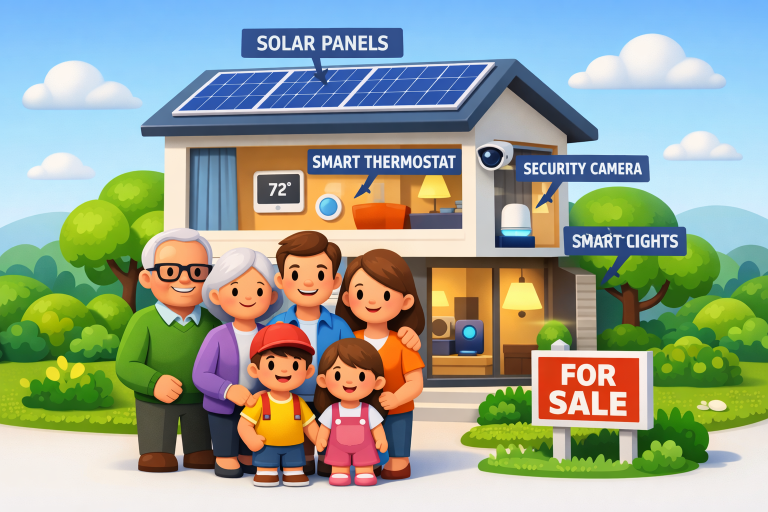
Families value the ability to control lighting, climate, and security from their smartphones or voice-activated devices. The integration of technology also expands into home health, air quality monitors, touchless fixtures, and water filtration systems, which are increasingly in demand. As more buyers prioritize smart upgrades, sellers and builders are incorporating these features as standard rather than premium add-ons. The digitalization of real estate transactions, such as virtual tours and e-signatures, further enhances the buying process, making it more efficient and accessible.
Prioritizing Sustainable Living
Modern buyers are increasingly interested in energy-efficient and eco-friendly homes. Sustainable features like solar panels, energy-efficient windows, and sustainable building materials are in demand. Investing in sustainable housing offers long-term benefits, including lower energy costs and a reduced carbon footprint. Moreover, eco-friendly homes often provide a healthier living environment for families.
Many homebuyers are also seeking properties with drought-resistant landscaping, rainwater harvesting systems, and electric vehicle charging stations. Green certifications, such as LEED or Energy Star, signal to purchasers that a home meets specific environmental standards, making these properties more attractive in today’s conscious market. In addition to the financial perks, buyers are motivated by personal values and a desire to reduce dependence on nonrenewable resources. Sustainable living is no longer just a trend; it represents a shift toward future-focused homeownership that considers both lifestyle and planet.
Impact of Real Estate Investors on the Housing Market
Real estate investors are purchasing a growing share of homes, affecting housing availability and prices. This trend can make it more challenging for traditional buyers to compete. To navigate this landscape, buyers can consider strategies such as getting pre-approved for a mortgage, being flexible with their preferences, and working with experienced real estate agents who understand the local market dynamics.
Institutional investors often have the resources to pay cash and move quickly on desirable properties, which can edge out first-time or family buyers. As a result, some markets are experiencing a shortage of entry-level homes, intensifying competition among everyday purchasers. Buyers are increasingly seeking off-market listings, attending early showings, and crafting compelling personal offers to stand out amid investor-heavy competition. Local knowledge and networking with real estate professionals become essential tools for families determined to secure a property in a fast-paced market.
Adapting to Remote Work and Evolving Needs
The shift to remote work has fundamentally altered the home-buying priorities of modern families. Demand for home offices, dedicated study spaces, and improved internet connectivity is at an all-time high. Flexible layouts and multi-purpose rooms are highly valued, as households seek to blend work, education, and leisure under one roof. Outdoor spaces—such as patios, balconies, or private gardens have also become significant, providing essential relaxation and entertainment zones without leaving home.
Families are increasingly searching for properties in quiet neighborhoods with access to parks, trails, and community amenities, supporting a holistic lifestyle that blends productivity and well-being. The desire for more space, both indoors and outdoors, is leading some buyers to reconsider urban living in favor of suburban or rural locations where homes tend to be larger and more affordable.
Final Thoughts
Modern families face a variety of trends affecting home buying, including multigenerational living, affordability challenges, and the adoption of smart technologies and sustainable practices. Staying informed and adaptable is essential in the evolving housing market. By understanding these trends and working with knowledgeable professionals, families can make decisions that align with their needs and goals.
In a rapidly changing real estate landscape, success depends on diligent research, clear priorities, and strategic partnerships. Modern buyers are redefining what home means, focusing on flexibility, sustainability, and value. By recognizing and anticipating these emerging trends, families can create living spaces that not only meet their immediate needs but also support their growth and well-being into the future.